Babson College home Centers & Institutes
Halifax

2027 Diana International Research Conference

June 26 to 30, 2027 Halifax, Nova Scotia, Canada, co-hosted with Dalhousie University

We are pleased to announce that the 2027 Diana International Research Institute Annual Conference will be held at the Department of Business and Social Sciences, Dalhousie University, Halifax, Nova Scotia, Canada from June 26–30, 2027, under the theme:

Women’s Entrepreneurship: Grounded in Place, Rooted in Community

Abstract submission deadline: December 6, 2026, 11:59 p.m. EST

Where an entrepreneur is situated, geographically, culturally, and institutionally, shapes whether they can participate in entrepreneurship and on what terms. Entrepreneurship is not a context-free activity: it unfolds in specific places, histories, and communities (Welter, 2011; Welter & Baker, 2021). A growing body of work on entrepreneurial ecosystems further confirms that the networks, resources, and institutions enabling entrepreneurship are anchored in specific territories and cannot be understood apart from their local and social contexts (Richard, 2026; Spigel, 2017; Wurth et al., 2022). While existing research has examined women’s entrepreneurship in relation to necessity, poverty, and marginalization, the place-based dynamics of these experiences, and how they differ across intersecting social locations, remain less fully theorized (García-Lomas & Gabaldón, 2023).

The contributions of women entrepreneurs to economic and social development are well-documented, and the evidence shows that their reach and impact continue to grow. Across the 53 economies participating in the Global Entrepreneurship Monitor (GEM) in 2025, several middle-income economies have now reached gender parity in early-stage entrepreneurial activity, while migrant and foreign-born entrepreneurs are adding new sources of innovation and international connectedness (GEM, 2026). At the same time, gender, place of birth, and other intersecting dimensions of identity continue to shape access to capital, networks, markets, and institutional support in ways that are cumulative and context-dependent (Collins, 2019; Collins & Bilge, 2020; Crenshaw, 1991; GEM, 2026; Romero & Valdez, 2016; Sánchez-Limón et al., 2025; Vershinina et al., 2025). Notably, the 2025/2026 GEM Global Report finds that 51% of early-stage entrepreneurs across 48 economies are motivated by the desire to make a difference in the world, and 84% always consider social and environmental impacts in their business decisions, patterns that resonate strongly with the values characteristic of women’s entrepreneurship globally (GEM, 2026).

A growing body of scholarship shows that entrepreneurial ecosystems are not gender-neutral: the structural dimensions of these systems, finance, policy, networks, and culture, often reproduce rather than reduce existing inequalities (Brush et al., 2019; Kim et al., 2026). Immigrant and diaspora women face distinct institutional barriers even as they bridge communities and markets (Poggesi & Mari, 2025). Indigenous women draw on land-based knowledge and relational forms of value creation that mainstream frameworks frequently overlook (Croce, 2020), and women in rural and remote communities navigate geographic isolation alongside strong local assets and community ties that can serve as powerful entrepreneurial resources (Ahl & Marlow, 2021; Roundy, 2019). Place, in short, is both a site of constraint and a source of possibility. By bringing together scholars, practitioners, and policymakers, the 2027 Diana conference aims to generate evidence and dialogue that illuminates how women entrepreneurs are transforming futures across the diverse places and communities in which they live and work.

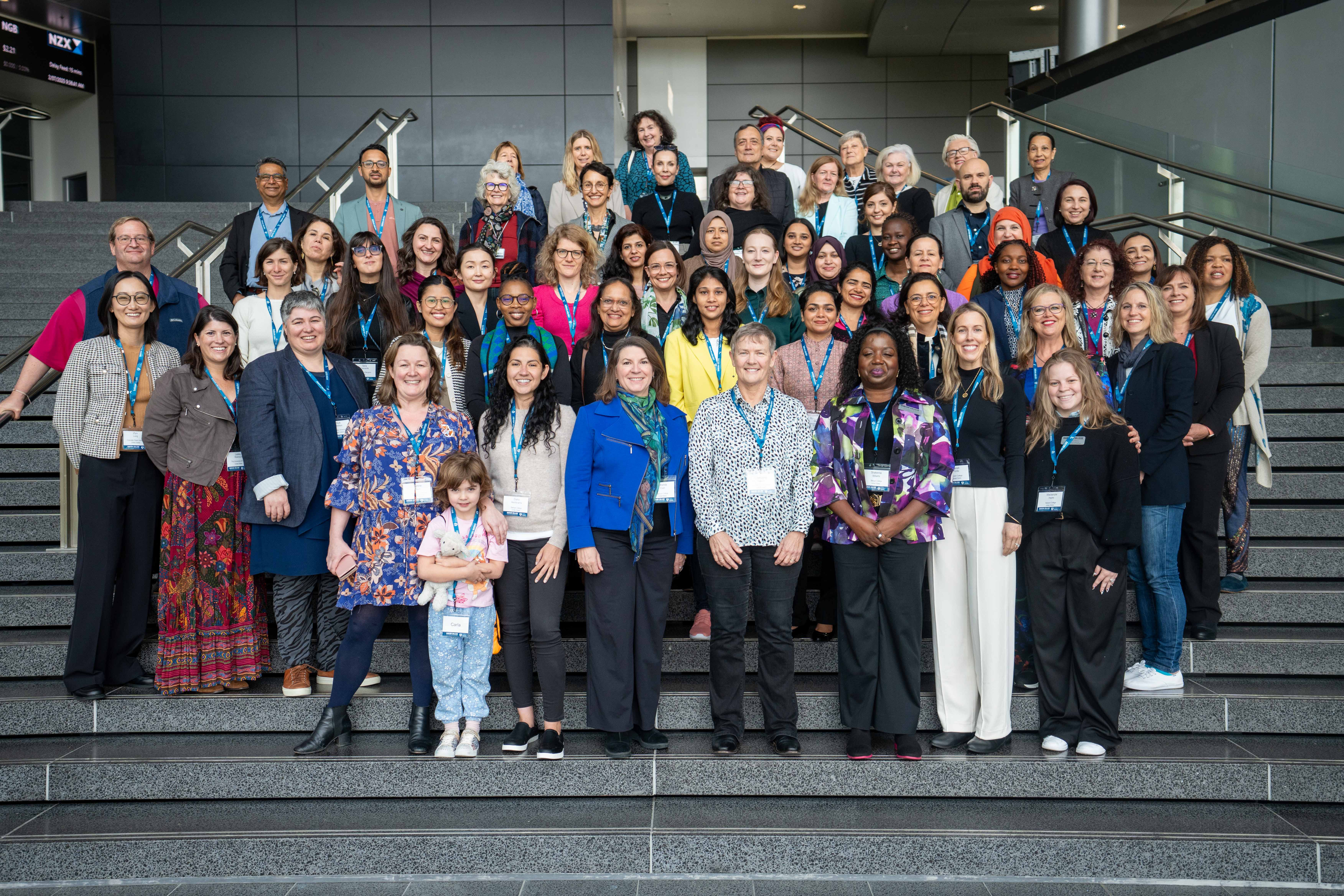
Invited topics may include but are not restricted to:

  • Place, space, and inclusive entrepreneurial ecosystems: How do geographic location, urban-rural contexts, and local institutions shape women’s entrepreneurial opportunities and constraints? How can ecosystem frameworks be reimagined through feminist and intersectional lenses to reflect the diversity of women’s entrepreneurial realities? How are women entrepreneurs and their ventures shaping ecosystems (Kim et al., 2026; Spigel, 2017)?
  • New industries and emerging ecosystems: As new frontiers such as the space economy emerge, where regulations are few, laws conflict, and extraordinary resources are required, how are women entrepreneurs participating in building these new ecosystems (Agi, 2022; Kim et al., 2026; Spigel, 2017; World Economic Forum & McKinsey & Company, 2024)?
  • Immigrant, diaspora, migration-linked entrepreneurship: What drives immigrant and diaspora women’s entry into entrepreneurship, and how do transnational identities, migration histories, and cross-border networks shape their strategies and outcomes? How do place-specific ecosystems enable or constrain women entrepreneurs and their ventures moving across borders and building ventures in new communities (GEM, 2026; Poggesi & Mari, 2025)?
  • Mobilities and entrepreneurial dynamics: How do movements of people, ideas, capital, and resources across places shape women's entrepreneurial opportunities and outcomes? How do different forms of mobility interact with place-based contexts? We welcome work drawing on mobilities theory.
  • Indigenous women’s entrepreneurship and decolonial frameworks: How do Indigenous women entrepreneurs draw on community, culture, and land-based knowledge as entrepreneurial assets? What theoretical frameworks are needed to move beyond Western-centric models and engage with Indigenous epistemologies, collective value creation, and the role of Indigenous governance in shaping economic development (Croce, 2020; Richard, 2026; Shepherd et al., 2025)?
  • Rural, remote, and peripheral place contexts: What are the distinctive ecosystem dynamics of rural and geographically peripheral communities, and how do women entrepreneurs draw on local assets, relationships, and place-based knowledge to create and sustain enterprises? What policies and support structures are most effective across the diversity of rural contexts in the Global North and Global South (Ahl & Marlow, 2021; Roundy, 2019)?

We encourage papers that explore new research ideas, adopt novel methodological approaches, and contribute to theory development to help advance the field and pave the way for an exciting future research agenda for the Diana community.

Authors are limited to authoring/co-authoring no more than two submissions and should expect to receive notification of acceptance by February 15, 2027. Full papers are due by March 31, 2027, to be considered for "Best Paper Awards".

2027 Conference Chairs

  • Candida Brush, Babson College, U.S.
  • Amanda Elam, Babson College, U.S.
  • Ingrid Chadwick, Concordia University, Canada
  • Diana Hechavarria, Babson College, U.S.
  • Karen Hughes, University of Alberta, Canada
  • Tasha Richard, Dalhousie University, Canada

About the Diana International Research Institute

Building on the foundation of excellence established by the Diana Project™, the Diana International Research Institute (DIRI) cultivates a vibrant international research community with an expanded reach across continents, cultures and contexts, sharing knowledge and experience through dedicated books, journal articles and conferences. The Diana Project was established in 1999 by Professors Brush, Carter, Gatewood, Greene and Hart in partnership with ESBRI in Stockholm to provide a platform for research and scholarship focusing on women entrepreneurs and their business growth. Each year, the Diana International Research Conference brings together more than 100 scholars worldwide, providing a forum to share global research dedicated to gender and women’s entrepreneurship.

For questions about the conference, please contact us at dirc@babson.edu.

2025 Diana International Research Conference

2025 Diana International Research Conference

Auckland, New Zealand at the Aotearoa Centre for Enterprising Women, Auckland University from July 1-4, 2025

Entrepreneurship at the Edge: Extending the Boundaries of Gender and Entrepreneurship

In July 2025 the Aotearoa Centre for Enterprising Women hosted the Diana International Research Conference at the University of Auckland Business School. The conference ran from 1-4 July, commencing with a Doctoral Colloquium Day (1st), followed by academic research conference (2nd and 3rd) and concluding with an Impact Day (4th), bringing together international academics and entrepreneurial ecosystem builders from New Zealand.

Accepted papers focused on women’s entrepreneurship at the edge—pushing beyond traditional, Western-centric perspectives to foreground the lived realities, innovations, and institutional challenges of entrepreneurs. By centering diverse geographies, cultures, and social positions, scholars shared research that uncovered how gendered entrepreneurial processes unfold in environments marked by different values, infrastructures, and development paths.

By amplifying underrepresented voices and contexts, questioning universal assumptions about entrepreneurship and success, and encouraging methodological and theoretical approaches that reflect global diversity, the conference featured research that will broaden the empirical and conceptual boundaries of women’s entrepreneurship research, advancing a more inclusive and contextually grounded understanding of how women create, sustain, and transform ventures worldwide.

Thinking of Attending? Hear from our 2024 Participants!

Diana International Research Conferences began with the establishment of the Diana Project™ in 1999 by five professors—Candida Brush, Nancy Carter, Elizabeth Gatewood, Patricia Green, Myra Hart—to accelerate research about women entrepreneurs, their business growth, and access to capital. In partnership with ESBRI, the first conference was held in Stockholm, Sweden in 2003 with 20 scholars from 13 countries. Since then, the conferences have grown to be a major global forum for research on women's entrepreneurship, producing numerous books and special journal issues.

  • 1999: The Diana Project is founded by Professors Brush, Carter, Gatewood, Greene, and Hart to focus on women's entrepreneurship, initially highlighting challenges in accessing growth capital.
  • 2003: The first Diana International Research Conference is held in Stockholm, Sweden, with 20 scholars from 13 countries presenting their research.
  • 2003–2019: The conferences become a bi-annual and later an annual event, held in different countries and focusing on various themes related to women's entrepreneurship.
  • 2019: The conference is held at Babson College in Wellesley, MA, and the first Diana International Research Institute Impact Day is convened to focus on practical solutions for financing women entrepreneurs.
  • Ongoing: The conferences have built a global research community and legitimized the field of women's entrepreneurship, supported by ongoing publications and academic partnerships
Year Conference Title Location Co-Chairs
2003 Diana International Organizing Conference Stockholm, Sweden Diana Founders & Magnus Aronsson
2004 Diana International Conference Stockholm, Sweden Diana Founders & Magnus Aronsson
2006 Diana International Conference Stockholm, Sweden Magnus Aronsson
2007 Diana International Conference Madrid, Spain Candida Brush & Anne de Bruin
2008 Advancing Women’s Entrepreneurship and Supporting the Growth of Women Owned Businesses Belfast, Ireland Colette Henry & Pauric McGowan
2010 Extending Women’s Entrepreneurship Scholarship in New Directions Banff, Canada Karen Hughes & Jennifer Jennings
2012 Women Entrepreneurs in the 21st Century Perth, Western Australia Alicia Castillo & John Watson
2014 Women’s Entrepreneurship and Innovation in the Global Economy Stockholm, Sweden Magnus Aronsson, Friederike Welter & Colette Henry
2015 Entrepreneurial Ecosystems and Women’s Entrepreneurship Wellesley, Massachusetts, U.S.A. Candida Brush
2016 Women Entrepreneurs and Technology; Women in Family Business Bodo, Norway Gry Alsos & Elisabet Ljunggren
2017 Women Entrepreneurs in High Growth Businesses: Programs, Practices and Policies (Oct) Kansas City, Missouri Candida Brush, Patti Greene, Amanda Bullough & Diana Hechavarria
2018 Women’s Entrepreneurship and Culture Bangkok, Thailand Uli Guelich, Amanda Bullough & Friederike Welter
2019 Women’s Entrepreneurship: Catalyzing Change and Innovation Wellesley, Massachusetts, U.S.A. Candida Brush, Lakshmi Balachandra, Angela Randolph & Amanda Elam
2021 Women and Family Entrepreneurship Nice, France (on-line) Andrea Calabro, Severine Leolarne, Adnane Maalaoui, Candida Brush & Smaiyra Million
2022 Digital Women’s Entrepreneurship Dublin, Ireland Maura McAdam, Regina Connolly, Candida Brush & Karen Hughes
2023 Exploring Diversity of Experiences and Impact Wellesley, MA, USA Candida Brush, William Gartner, Karen Hughes, Amanda Elam and Anita Shankar
2024 Women’s Entrepreneurship: Implications for Policy Stockholm, Sweden Candida Brush, Amanda Elam, Magnus Aronsson, Malin Malmstrom, Christine Woods, Friederike Welter
2025 Entrepreneurship at the Edge: Extending the Boundaries of Gender and Entrepreneurship Auckland, New Zealand Candida Brush, Amanda Elam, Diana Hechavarria, Christine Woods, Janine Swail, Anne de Bruin
2026 Transforming Futures:  Women and Social Entrepreneurship in a Digital Age South Africa Candida Brush, Amanda Elam, Diana Hechavarria, Anastacia Mamabolo, Caren Scheepers, Ethne Swartz

The Diana International Research Conference has resulted in numerous publications, including at least 13 special issues of academic journals and 12 edited volumes dedicated to gender and women's entrepreneurship.

Key journals and examples of special issues include:

  • Entrepreneurship Theory and Practice: Multiple special issues have been published, including issues in 2006, 2007 (edited by de Bruin, Brush, and Welter), and 2012 (edited by Hughes & Jennings). The 2007 issue has over 4,000 citations.
  • Small Business Economics: A special issue on women entrepreneurs and ecosystems was published in 2018 (edited by Edelman, Manolova, Brush, and Welter).
  • Entrepreneurship and Regional Development: A special issue was published in 2012 (edited by Cooper and McGowan).
  • Journal of Small Business Management: A special issue focusing on high-growth women's entrepreneurship was released in January 2019.
  • Strategic Entrepreneurship Journal: A special issue titled “Catalyzing Change and Innovation in Women's Entrepreneurship” was forthcoming in 2021 (co-edited by Brush, Eddleston, Edelman, Manolova, McAdam, and Rossi).
  • Venture Capital: An International Journal of Entrepreneurial Finance: A 2018 issue on the theme “Women Entrepreneurs and Finance” was a notable outcome, with high article view counts. An earlier special issue (Volume 5, Issue 1) in 2003 also featured articles from the Diana Project.
  • The Diana Project also led to the vision for the creation of the International Journal of Gender and Entrepreneurship.

These publications are a significant legacy of the Diana Project, advancing research and theory on gender in entrepreneurship.